Lilacs, Tulips, and Blooms… Oh My!
Welcome to Colorado, Dorothy! ❄️
The lilacs bloomed, and then it snowed.
Not a deep winter snow, the kind we expect when everything is tucked away and dormant. This was spring snow — the startling kind that arrives after the world has already begun to open. After buds have trusted the warmth. After color has returned. After we have started to believe, maybe too quickly, that the hard part is behind us.
For two days, the lilacs were breathtaking.
Purple blooms danced in the breeze, calling to spring.
Within a few hours, unexpected snow blanketed the delicate flowers—spring’s sassy reminder that she enjoyed flirting with winter.
The lilacs held their ground. Vibrant, fragrant, and somehow offering beauty in the middle of this seasonal swirl.
And then, by afternoon, they drooped.
The cold had done what cold does.
Their season, barely begun, had already been shortened.
I kept thinking about those lilacs, not just because they were beautiful, but because they felt familiar. They reminded me how often we live beside something precious without fully seeing it. We assume it will still be there tomorrow because it was there yesterday.
The parent you can still call.
The friend from college you can pick up with after months of silence.
The hobby you thought you’d always return to.
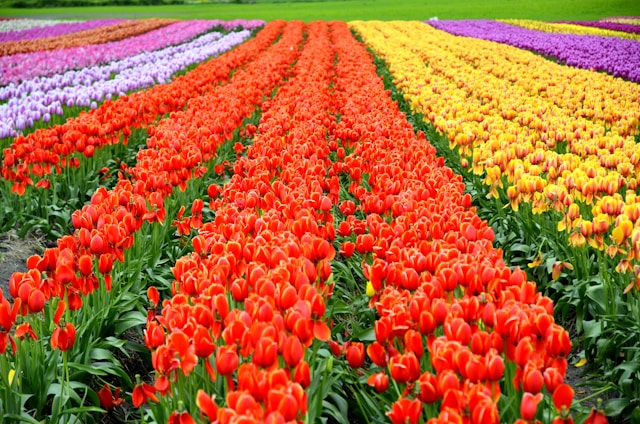
The tulips that come up every year.
The version of yourself that still feels close, but has been waiting quietly for your attention.
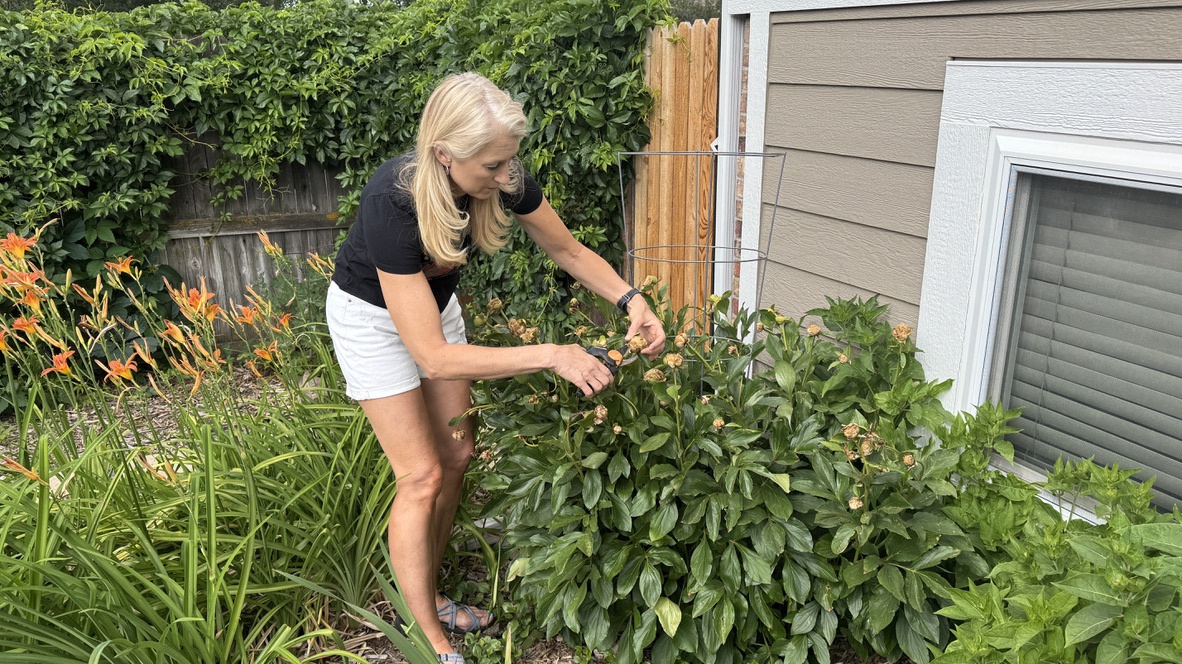
The garden has a way of telling the truth if we’re willing to listen. What is happening outside us often has something to say about what is happening within us. The blooms, the bare patches, the neglected beds, the surprises, the losses — they all invite awareness.
Not judgment.
Not panic.
Just awareness.
A way of saying: Look. Notice. Something is being revealed.
Lilacs: The Present Season Is Fleeting
Lilacs do not last long.
Maybe that is part of why we love them so much. Their fragrance arrives like a memory before we even know what we’re remembering. They bloom, and suddenly the air feels softer. Then, almost as quickly, they are gone.
Lilacs remind us that the present season is not permanent.
This can feel tender, especially in midlife, when time has become less theoretical. We know now that some seasons do not announce their ending. They simply shift.
One day, the house is quiet in a way you once thought you wanted.
One day, the parent who always answered the phone needs more from you than they can give.
One day, your body asks for a different kind of attention.
One day, the work or role or identity that once fit feels too small, too heavy, or not quite yours anymore.
And yet, we can miss the season while we are standing in it.
We are so often waiting for things to calm down, clear up, or make sense before we let ourselves be present. We tell ourselves we’ll appreciate life when the schedule eases, when the house is cleaner, when the next decision is made, when the kids are settled, when the grief is less sharp, when we feel more like ourselves.
But what if this season, imperfect as it is, is asking to be noticed now?
Not because it is easy.
Not because you want it to last forever.
But because it is here.
Awareness begins with telling the truth about what is in front of you. The beauty and the ache. The gratitude and the fatigue. The bloom and the snow.
You do not have to love every part of your current season to honor it. You only have to stop moving through it as if it doesn’t count.
 The lilacs ask: What is blooming right now that you are taking for granted?
Tulips: What Has Always Been There Still Needs Care
Tulips feel different from lilacs.
Lilacs surprise us with their brevity. Tulips comfort us with their return.
Year after year, they push through the soil as if keeping an old promise. We see their green shoots and think, There you are again. Reliable. Familiar. Easy to overlook.
Until one spring, they don’t come back.
Or they come back weaker.
Or fewer.
And we remember: even the things that seem consistent need nurturing.
Tulips hold the history of what has been planted before — by us, by others, by previous versions of ourselves. Some of those plantings still bless us. Some have faded. Some need dividing. Some need replanting. Some no longer belong in the garden at all.
Isn’t that true of our inner lives, too?
We have patterns that once protected us but now limit us.
Friendships that once felt effortless but now need tending.
Creative gifts that bloomed in another season but have gone dormant.
Routines that used to support us but no longer fit.
Dreams planted years ago that may still have roots, even if they haven’t surfaced in a while.
Sometimes we mistake consistency for permanence. We assume that because something has always been there, it will keep being there without care.
But love needs tending.
Health needs tending.
Friendship needs tending.
A sense of self needs tending.
Joy needs tending.
Faith, creativity, desire, curiosity — they all need attention, especially when they are not currently in bloom.
This is where awareness can feel uncomfortable. Because once we notice what has been neglected, we may feel regret. We may think, How did I let this fade? Why didn’t I pay attention sooner?
But awareness is not meant to shame us. It returns us to a relationship with our inner truth.
The tulips ask us to look backward with honesty, but not with self-punishment. What has been faithful? What has faded? What still has life beneath the surface? What needs to be replanted, rearranged, or released?
Sometimes nurturing the past means making the call.
Sometimes it means apologizing.
Sometimes it means picking up the paintbrush again.
Sometimes it means clearing the clutter from a room so you can hear yourself think.
Sometimes it means admitting that something once beautiful has completed its season.
There is wisdom in knowing what to tend.
There is also wisdom in knowing what to let become compost.
 The tulips ask: What has been part of your life for so long that you stopped caring for it intentionally?
Blooms: What Are You Planting for the Future?
Then there are the blooms we have not met yet.
The seeds tucked into the soil.
The bulbs planted in faith.
The small choices that look like nothing at first.
The conversation started.
The class signed up for.
The drawer cleared.
The walk taken.
The boundary named.
The page written.
The dream spoken aloud.
The future is often planted in ordinary ways.
And this is where we need patience, because planting does not offer instant reassurance. Some things fail. Some never take root. Some grow differently than expected. Some bloom, and you realize you don’t even like them. Some surprise you with beauty you didn’t know you needed.
This is true in the garden, and it is true in life.
You may plant a habit that doesn’t last, but teaches you what you actually need.
You may try a hobby and discover it isn’t yours anymore.
You may begin a friendship that becomes a lifeline.
You may create space in your home and realize you are also creating space in your mind.
You may take one small brave step and not see anything change for months.
Still, something may be happening underground.
The future asks for a different kind of awareness. Not just noticing what is here, or tending what has been, but becoming conscious of what your current choices are growing.
Because whether or not we mean to, we are always planting.
We plant resentment when we ignore what we need.
We plant connections when we reach out.
We plant exhaustion when we keep saying yes out of obligation.
We plant clarity when we make room to listen.
We plant courage when we take a small, honest step before we feel ready.
This is not about controlling the future. Gardens humble us quickly. Weather changes. Seeds fail. Rabbits arrive like tiny vandals with excellent timing.
But planting still matters.
Your future self is living with what you are planting now.
That does not need to feel heavy. It can feel hopeful. One small choice, made with awareness, can become a root system.
 The blooms ask: What are you planting today that your future self may one day thank you for?
The Outer World as a Mirror
The longer I pay attention, the more I believe the external world is reflecting something back to us.
A garden bed full of weeds may not just be a garden bed full of weeds. It may show us where life has become crowded.
A bare patch may reveal where something needs rest.
A bloom cut short by snow may remind us to stop postponing appreciation.
A tulip that no longer returns may ask what has quietly gone untended.
A surprise flower may show us that not every good thing in life comes from our careful planning.
The point is not to over-spiritualize every petal and leaf. Sometimes a plant is just a plant.
But sometimes, if we pause, the world outside us gives language to the world within us.
It helps us see what we have been too busy to name.
That is awareness.
Noticing without immediately fixing.
Listening before rushing.
Letting what is visible guide us toward what is true.
A Reflection Practice: Lilacs, Tulips, and Blooms
Take ten quiet minutes this week. Sit near a window, step outside, or bring to mind a place in nature that feels familiar to you.
Then write through these three sections.
1. Lilacs: The Present
What is blooming in my life right now that I am taking for granted?
Name what is here, even if it is imperfect. A relationship. A routine. A role. A capacity. A small joy. A person you can still call. A moment you do not want to miss.
Then ask:
How can I pause long enough to appreciate it this week?
2. Tulips: The Past
What has been consistent in my life, but may need renewed care?
Look for what has always seemed to be there: a friendship, a gift, your health, your marriage, your creativity, your home, your spiritual life, your own sense of self.
Then ask:
Does this need nurturing, replanting, pruning, or release?
3. Blooms: The Future
What am I planting now?
Be honest about the habits, choices, relationships, and thoughts you are cultivating.
Then ask:
What is one small seed I want to plant for the life I am becoming?
Keep it simple. Send the text. Take the walk. Clear the drawer. Open the notebook. Buy the seeds. Make the appointment. Say the honest thing. Sit still and listen.
Before the Season Changes
The lilacs bloomed, and then it snowed.
The tulips may return, or they may need help.
The future blooms are still hidden underground.
And somewhere in all of it is an invitation to wake up to your own life.
To see what is fleeting.
To tend what has been faithful.
To plant what may one day bloom.
Not with urgency. Not with fear. But with awareness.
Because the garden is always speaking.
The question is whether we are moving slowly enough to hear it.